Draft Program - 30. September 2026
The updated draft Program is now available. Please note that it is subject to change. For any questions or comments regarding the agenda contact embla@arcticiceland.is.
See the agenda below.
Click here to download as PDF.Atlantic Plastics 2026 at a glance
20–22 October at Harpa, Reykjavík. 88 talks and 49 posters from 119 speakers and presenters based in 31 countries, from the Arctic to the Antarctic.
Atlantic Plastics 2026
Third International Symposium on Marine Plastic Pollution
Arctic to the Antarctic
#AtlanticPlastics
Harpa Conference Centre, 20–22 October 2026
Draft Program — 30 September 2026 | All times are in GMT
Conference Presenter: Hlynur Guðjónsson, Director Arctic Affairs, Senior Arctic Official, Ministry for Foreign Affairs, Iceland
Select a speaker's name to read their bio.
Day 1 Tuesday, 20 October 2026 ▾
- Opening Address by H.E. Ms Þorgerður Katrín Gunnarsdóttir, Minister for Foreign Affairs of Iceland
- Video Address by Ambassador Julio Cordano, Chairman of the Intergovernmental Negotiating Committee on Plastic Pollution
- Address by Dr Mohamed Najih, Director General, National Institute of Fisheries Research of the Kingdom of Morocco
- Video Address by H.E. Mr Costas Kadis, Commissioner for Fisheries and Oceans of the European Union
- Video Address by Mr Olivier Poivre d'Arvor, France's Ambassador for Polar and Maritime Issues
- Introduction to a "Message in a Bottle" by Arnór Þórir Sigfússon, Animal Ecologist, Verkís
- Introduction to the "From Knowledge to Action" Interactive Survey
Innovative plastic pollution monitoring and assessment across multi-scales
Modelling sources, pathways and fate of plastics in the environment
Innovative plastic pollution monitoring and assessment across multi-scales (cont.)
Modelling sources, pathways and fate of plastics in the environment (cont.)
Day 2 Wednesday, 21 October 2026 ▾
Assessing impacts of plastic pollution
Circular economy, innovation, and industry solutions
Assessing impacts of plastic pollution (cont.)
Circular economy, innovation, and industry solutions (cont.)
Mitigation, management, and restoration
Science-policy interface and capacity building
Mitigation, management, and restoration (cont.)
Science-policy interface and capacity building (cont.)
Day 3 Thursday, 22 October 2026 ▾
- Kukik Baker, Inuit scholar, Executive Director of the Arviat Aqqiumavvik Society and founder of Ujjiqsuiniq Young Hunters Program
- Alana Wilcox, Métis scholar, University of Manitoba
- Shankell Mack, Scholar, Environmental Coordinator for the Aleut International Association
- Peter Buhl, Input and Logistics Manager, Plastix
- Marthe Amundsen Brodahl, ESG Manager, Hampidjan Group
- Theme 1: Sólveig Rósa Ólafsdóttir, Ocean Chemist, Marine and Freshwater Research Institute
- Theme 2: Katrín Sóley Bjarnadóttir, Specialist in Team for Ocean and Water, Environment Agency of Iceland
- Theme 3: Lis Bach, University of Aarhus
- Theme 4: Georg Haney, Fishing Gear Specialist, Marine and Freshwater Research Institute
- Theme 5: Keshnee Pillay, Department of Fisheries, Forestry and the Environment, South Africa
- Theme 6: Sæmundur Sveinsson, Icelandic Environment and Energy Agency
Poster Presentations
50 posters across the six symposium themes
Theme 1 Innovative plastic pollution monitoring and assessment across multi-scales 10 ▾
Theme 2 Modelling sources, pathways and fate of plastics in the environment 9 ▾
Theme 3 Assessing impacts of plastic pollution 11 ▾
Theme 4 Circular economy, innovation, and industry solutions 5 ▾
Theme 5 Mitigation, management, and restoration 6 ▾
Theme 6 Science-policy interface and capacity building 9 ▾
No posters match your search.
Speakers and presenters
119 researchers, policymakers and practitioners from across the Atlantic, the Arctic and beyond. Select a name to read their biography.
Keynote speakers
Carmen Antuña Rozado
Dr Carmen Antuña Rozado is an architect/urban planner and Senior Scientist specializing in sustainable urban development, with a PhD focused on adapting sustainable city solutions to diverse local contexts worldwide. With 25 years of experience in international R&D, her work spans sustainability assessment, ecocities and eco-innovation, nature-based solutions, and climate-resilient communities. She has collaborated extensively with cities, regions, and international partners across Europe, Africa, and Latin America, coordinating international research initiatives. She also holds an Executive MBA, reflecting her interest in bridging research, innovation, and business to accelerate sustainable development. She currently coordinates the EU-funded Regions4Climate project, which brings together European regions and communities to advance transformative climate resilience solutions.
Andrés Cózar Cabañas
Andrés Cózar has led the UCA Marine Litter Lab (www.marinelitterlab.eu) at the University of Cádiz, Spain, for more than a decade. His work includes the first global map and estimate of the amount of plastic floating in the ocean. In 2015, he identified the Mediterranean Sea as a plastic accumulation zone comparable to those found in the major subtropical gyres. In 2017, a large collaborative study revealed the mechanism that transports floating plastic debris from the North Atlantic to the Arctic Ocean. In 2021, Andrés and his colleagues conducted the most extensive field investigation of marine litter sources across Europe and developed the first global classification of marine litter across multiple ecosystems. In 2024, a study funded by the European Space Agency demonstrated the feasibility of sustained, large-scale monitoring of marine litter using satellites. His current research includes improving the scientific value of citizen science data in collaboration with international NGOs.
Haraldur Einarsson
Haraldur Arnar Einarsson is a Senior Scientist at MFRI in Iceland and a consultant in the Fishing Operations and Technology Branch of FAO. He has worked in fisheries research and fishing gear technology since 1992, specialising in gear selectivity, fishing operations, and fishing gear development to reduce the environmental impacts of fisheries. His recent work has focused on ALDFG, marine litter, and on practical solutions for more sustainable fishing-gear management. Haraldur has contributed to international FAO projects, including guidance on fishing gear marking and global ALDFG data collection, and has co-authored scientific publications and reports from several regions of the world. He has also held leadership roles in international working groups on fishing technology and selectivity. In addition to his scientific and policy work, he brings hands-on experience from commercial fishing.
Thomas Maes
Dr. Thomas Maes is Managing Director of Seamoht Ltd, a UK-based consultancy specialising in marine pollution, waste management, and environmental risk assessment. With a multidisciplinary background spanning civil engineering, marine and terrestrial biology, and a PhD in ecotoxicology, he brings over 20 years of experience at the science–policy interface. Dr. Maes previously served as Principal Scientist at Cefas (UK) and as a senior consultant to GRID-Arendal, contributing to international initiatives under UNEP and the Basel, Rotterdam and Stockholm Conventions.
His work focuses on marine litter, microplastics, tyre wear particles, and hazardous substances, combining monitoring, modelling, and policy development. He actively contributes to Horizon Europe projects and global efforts to harmonise marine pollution data, including through the Integrated Marine Debris Observing System (IMDOS). Dr. Maes is passionate about translating complex science into actionable solutions and engaging communication, supporting evidence-based policymaking to address plastic pollution across source-to-sea systems.
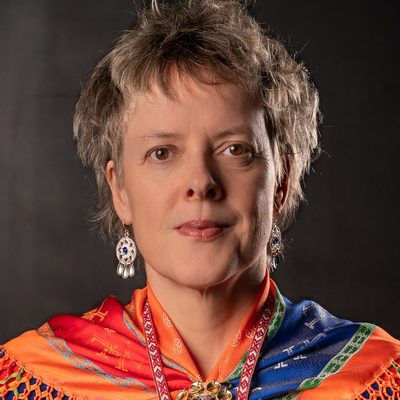
Gunn-Britt Retter
Gunn-Britt Retter is Indigenous Person to Sápmi, the ancestral home of the Sámi People. Ms. Retter received degrees from the Sámi University of Applied Sciences and the University of Wales. Combining her academic knowledge with skills she learnt on the land and sea, she has focussed her professional career on making use of Indigenous Peoples’ knowledge in both research and actions related to climate change, biodiversity, language, pollution, and natural resource management. After a four years with the Arctic Council’s Indigenous Peoples Secretariat, Ms. Retter has served the Saami Council for more than 20 years, currently as the Head of its Arctic and Environmental Unit.
Thomais Vlachogianni
Thomais Vlachogianni (BSc, MSc, PhD) is an environmental chemist and ecotoxicologist, specializing in oxidative stress-mediated toxicity induced by environmental pollutants and the use of molecular biomarkers of oxidative stress for marine pollution monitoring. She is the Head of Science, Research & Policy at MIO-ECSDE, where she leads European and Mediterranean initiatives on aquatic pollution including marine/riverine litter and plastic pollution, biodiversity protection, and ecosystem-based management. Her work bridges science, policy, and society, supporting evidence-based environmental decision-making.
She has actively participated in several European and Mediterranean marine litter projects, including INTERREG MED PLASTIC BUSTERS MPAs, ENI CBC PLASTIC BUSTERS CAP, INTERREG MED ACT4LITTER, FP7 MARLISCO, IPA-ADRIATIC DEFISHGEAR, to name a few. In these projects, she has primarily taken the lead in monitoring and assessment, as well as prevention and mitigation components.
She is a member of several expert groups dealing with marine litter, including the EU Marine Strategy Framework Directive (MSFD) Good Environmental Status (GES) Technical Subgroup on Marine Litter; the UNEP/MAP Experts Group on the application of the Ecosystem Approach in the Mediterranean; the Correspondence Group on Monitoring, Pollution, and Litter (CORMON); and the IMDOS group (co-lead of the Beach Litter Monitoring Team). Currently, she is leading the riverine litter participatory science and mitigation actions of the IPA-ADRION TETHYS4ADRION project, implemented in five pilot rivers in the seven countries of the Adriatic and Ionian macroregion.
Conference presenter and moderators
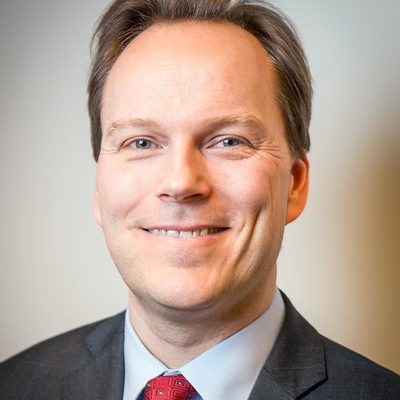
Hlynur Guðjónsson
Read biographyClose biography
Hlynur Guðjónsson
Hlynur Guðjónsson is a diplomat and business strategist with a 30-year career spanning diplomacy, international trade, foreign direct investment, and marketing. As Iceland’s recent Ambassador to Canada, he championed North-to-North relations, driving trade and regional cooperation between the Canadian North, Greenland, and Iceland. His background also includes serving as Consul General and Trade Commissioner in New York, alongside executive leadership roles in politics, advertising and public relations.
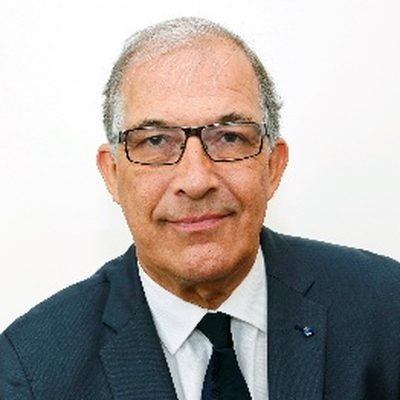
Jóhann Sigurjónsson
Read biographyClose biography
Jóhann Sigurjónsson
Jóhann Sigurjónsson, marine biologist and former Director General of the Icelandic Marine Research Institute and Chief adviser to the Government of Iceland on fisheries and whales and on long-term strategies for fisheries for 18 years. Member and/or head of Icelandic delegations to several international fisheries management and fisheries science organisations (FAO, NEAFC, NAFO, ICES, IWC, and NAMMCO), and to ocean/fisheries related UN activities. Involved in activities of ICES (International Council for the Exploration of the Sea) as expert and member of Council and Bureau (vice-president) over a period of 25 years. As Special Envoy on Ocean Affairs at the Ministry for Foreign Affairs, Sigurjónsson co-chaired Arctic Council Task Force on Arctic Marine Cooperation 2015-2018 and was head of delegation for Iceland during the negotiations on the Central Arctic Ocean fisheries Agreement 2016-2018.
Thematic session speakers
Toluse Priscilla Ashaolu
Read biographyClose biography
Toluse Priscilla Ashaolu
Toluse Priscilla Ashaolu holds a Master’s degree in Circular Economy, with a focus on sustainable resource management. Her research applies material flow analysis and life cycle assessment to quantify material use, waste generation, and environmental impacts. She is currently a research intern at the Norwegian University of Science and Technology (NTNU), working on plastic flows in the Norwegian aquaculture sector, with a focus on quantifying plastic flows, promoting circularity, and supporting policy development. Her broader interests include circular economy strategies, waste management, and energy efficiency.
Ásta Margrét Ásmundsdóttir
Read biographyClose biography
Ásta Margrét Ásmundsdóttir
Ásta Margrét Ásmundsdóttir is an Adjunct Lecturer and a Chemist at the University of Akureyri, where she specializes in environmental science with a focus on pollution dynamics in sub Arctic ecosystems. Her research interests include the occurrence, transport pathways, and fate of microplastics in remote landscapes, with particular emphasis on Iceland’s lakes, glaciers, and highland environments. Ásta has extensive experience in field sampling and microplastic analysis in natural environment such as sea sediments, drinking water resources, wastewater and lake sediments. She is currently involved in projects investigating how atmospheric and hydrological processes influence microplastic distribution in rural and sparsely populated regions. Her work aims to improve understanding of long range pollution transport and to support environmental modelling efforts in Arctic areas. Ásta’s recent studies integrate sediment core chronologies and glacier snow samples to assess both historical trends and contemporary deposition patterns of microplastics in Iceland.
Fernanda Avelar Santos
Read biographyClose biography
Fernanda Avelar Santos
Fernanda Avelar Santos, a Brazilian geologist and marine scientist, has a wealth of expertise in environmental geology, specializing in marine environments and oceanic islands. During her Ph.D. research on Trindade Island, she initially investigated geological hazards, leading to the unexpected finding of anthropogenic stones—"rocks" formed by melted plastic. This revelation raises concerns about persistent pollution, especially in critical remote areas for green turtles, highlighting the impact of human-induced phenomena in the Anthropocene. As a postdoctoral researcher and grantee of The São Paulo Research Foundation, Fernanda focuses on plastic rocks, exploring factors controlling sedimentary deposits and studying the distribution, accumulation, and degradation of plastic litter in marine and beach sediment. Passionately dedicated to marine research, she finds fulfillment in actively participating in marine scientific expeditions.
Lis Bach
Read biographyClose biography
Lis Bach
Lis Bach owned her PhD in 2009 in Arctic marine ecotoxicology and has since then worked within this topic. LB is employed at Aarhus University and do besides research also advisory work to the environmental authorities in Greenland.
Adil Bakir
Read biographyClose biography
Adil Bakir
Dr Adil Bakir is a Principal Scientist specialising on microplastics at the Centre for Environment, Fisheries and Aquaculture Science (Cefas) in the UK. Adil has been involved in the field of microplastic research for about 14 years starting as a postdoctoral researcher for a Defra funded project at Plymouth University in the UK investigating whether microplastics pose a physical and/or chemical threat in the marine environment. Adil joined the marine litter team at Cefas in 2018 and is currently leading the Cefas microplastic laboratory aiming at developing faster and cheaper techniques for the monitoring of microplastics in environmental matrices. Adil is also co-leading the OSPAR microplastic expert group (MPEG) and is currently being involved in the ICES working group on marine litter as well as the AMAP litter and microplastics expert group.
Dee Barker
Read biographyClose biography
Dee Barker
Dee Barker is the PI and Director of the Alaska Pacific University Microplastics Research and Education Center, (MREC). Our center is in partnership with NASA, the Moore Institute for Plastic Pollution Research in California, the Alaska Space Grant organization at the University of Alaska Fairbanks, and the ThermoFisher Company. Dr. Barker has been involved in FTIR and Fluorescence studies of microplastics since 2023 and has many years of prior spectroscopy experience, which is helpful for interpreting spectra of degraded plastics from the environment. Dr. Barker seeks collaborations with others using various spectroscopic techniques for microplastics detection and environmental collection methods. Her collaborators are Dr. Denise Thorsen (Alaska Space Grant Director), Dr. Jason Geck and Nathan Anderson (Alaska Pacific University), Dr. Steve Dykstra (University of Alaska Fairbanks), Dr. Chris Ruf (University of Michigan), Dr. Angelica Rodriguez and Dr. Matthew Bonnema (NASA_JPL-SWOT), and Shelly Moore (Moore Institute for Plastic Pollution Research).
Asia Ben Haddouch
Read biographyClose biography
Asia Ben Haddouch
I'm a researcher specializing in marine biotoxins, with a PhD focused on this field. I'm currently responsible for the marine litter and microplastics monitoring program along the Moroccan Atlantic coast, as part of the Environmental Monitoring Program at the National Institute of Fisheries Research (INRH). My research activities focus on marine pollution, with particular emphasis on the occurrence, distribution, and characterization of microplastics in marine ecosystems and their potential impacts on marine organisms. Through the work at INRH, i contribute to environmental monitoring and the generation of scientific data to support the assessment and management of marine pollution along the Moroccan Atlantic coast.
Manal Bidar
Read biographyClose biography
Manal Bidar
Manal Bidar is a climate activist and youth leader from Morocco with a decade of experience mobilizing young people in climate governance and policy engagement. She founded the Moroccan Youth Climate Council and the Moroccan Regional Youth Governments Initiative, engaging 20,000+ young Moroccans in direct policymaking on water, land, and climate. As Vice President of the Water Youth Network, she coordinates global consultations on water governance and climate adaptation across Africa. She holds a Bachelor's degree in Political Science from Duke University and Duke Kunshan University, and is pursuing dual Master's degrees in Environmental Management and Climate Change, Diversity, and Sustainable Territorial Development. She has published 30+ analytical articles on governance, climate justice, and policy through CIVICUS, and has participated in international climate negotiations (COP27-COP30) as a youth delegate.
Mathis Blache
Read biographyClose biography
Mathis Blache
Mathis Blache is a PhD Student at the Institute of Earth Sciences, University of Iceland. Hobbyist photographer and surfer, he completed his master’s degree at the University Centre of the Westfjords, where he studied the distribution of benthic marine debris on the Icelandic continental shelf in collaboration with the Icelandic Marine and Freshwater Research Institute (MFRI). His current research focuses on concentrations, flux rates, and types of microplastics in lake sediments across Iceland, originating from both atmospheric deposition and local sources.
Eva Blidberg
Read biographyClose biography
Eva Blidberg
Eva Blidberg has a PhD in marine ecotoxicology and has been working on marine litter issues for over ten years at Keep Sweden Tidy Foundation. She is very committed to the problem of plastic in the oceans and pleased about the opportunity to help combat the constant influx of plastic pollution. One of her tasks is to coordinate the national beach litter monitoring programme on behalf of the Swedish Agency for Marine and Water Management. She is also a member of the HELCOM Expert Group on Marine Litter (EG-Marine litter), the OSPAR Intersessional Correspondence Group on Marine Litter (ICG-ML), and the EU MSFD Technical Group on Marine Litter (TG-ML).
Peter Teye Busumprah
Read biographyClose biography
Peter Teye Busumprah
Peter Teye Busumprah is the CEO of Ocean Rock Base and project lead for the African Ocean Biodiversity Atlas. He is the Ghana Ambassador for the Ocean Love initiative. He was an expert member of the Vision 2030 process endorsed by the UN Ocean Decade for sustainable development coordinated by UNESCO/IOC.
Peter is Expert Member of the UN Regular Process for World Ocean Assessment III and He is founder and project lead of the Ghana Ocean Climate Innovations Hub, an UN Ocean Decade endorsed project.
Peter was awarded the Global Ocean Tribute award for 2024 and Ocean awards 2025 - Local hero in recognition of his contributions to the ocean economy.
Michelle Calcatelli
Read biographyClose biography
Michelle Calcatelli
Michelle J. Calcatelli works at the intersection of frontline environmental realities and the institutional systems that shape funding and policy. With over 20 years of experience in multilateral and philanthropic financing, she has supported more than 300 funded initiatives across climate resilience, rights-based development and community-led action. Her work focuses on translating lived, place-based practices into structures that remain faithful to local authorship while becoming legible within governance and financing frameworks. Following a field residency during the Arctic Polar Night in Svalbard, she is developing "Rights, Resilience & Arctic Frontlines: Local Voices, Global Resonance", an initiative exploring how high-latitude communities can engage global environmental processes without being reduced to case studies or laboratories. Her approach centers on relational translation, seasonal awareness and strengthening meaningful participation of communities whose everyday realities sit at the frontlines of climate and environmental change.
Juan Ceballo
Read biographyClose biography
Juan Ceballo
Juan Ceballo is a PhD candidate at the University of Cádiz, Spain, with a background in Marine Sciences and a Master’s degree in Oceanography. Currently in the final stages of his PhD, his research focuses on the harmonised assessment of marine litter, specialising in macro-litter analysis in coastal environments. His work aims to standardise methodologies to enhance beach management and monitoring. A recent international research stay in South Africa allowed him to incorporate a global and comparative perspective into his study of litter dynamics across different regions. With a solid technical background and a focus on ocean sustainability, his research contributes to advancing knowledge on the impact of solid waste in the marine environment, promoting evidence-based solutions and the development of effective management measures for global coastal protection.
Bella Charlesworth
Read biographyClose biography
Bella Charlesworth
Bella is an enthusiastic and passionate marine scientist working at the intersection of science and policy. Her experience includes isolating plastics from sediment and stormwater samples using spectroscopy, understanding the emissions and abundance of clothing fibres in the environment, collecting and alaysing citizen science data for the biggest database of marine debris in the southern hemisphere, and working with national governments to strengthen their national data systems across the lifecycle of plastics.
Having just finished her Master's in Environmental Sciences and Policy, she is now gaining experience in policy-making for sustainable ocean development.
Sara Cloux
Read biographyClose biography
Sara Cloux
I hold a Ph.D. from the University of Santiago de Compostela, where I studied Lagrangian transport in oceanic flows. I completed a postdoc at the University of the Balearic Islands, focusing on transport barriers and the vertical dynamics of microplastics. I am currently a Postdoctoral Researcher at the Marine Institute, researching macrolitter in marine systems and its transport and accumulation patterns.
France Collard
Read biographyClose biography
France Collard
Dr. France Collard is a researcher (Ph.D.) at the Norwegian Institute for Water Research (NIVA) with long and extensive expertise on plastic pollution, with a focus on microplastic in the Arctic. Since her master in Oceanography, she has been studying this research topic, by developing method, sampling several matrices in several European regions. She has practical expertise with fish, sediment and seabirds, both in the field and in the lab. She has also experience with spectroscopy and is adding a food safety component to her research. Active member of AMAP (Expert Group on Microplastics and Litter), she works towards improved guidelines for monitoring and for research.
Emily Cowan
Read biographyClose biography
Emily Cowan
Dr. Emily Cowan is a Senior Research Scientist at SINTEF Ocean, specialising in global plastics governance, Arctic environmental governance, and the political dynamics of international environmental negotiations. She holds a Dr. Philos from the Norwegian University of Science and Technology (NTNU), where her research examined the actors, power structures, and negotiation processes shaping the emerging global plastics treaty, using event ethnography as a core methodological approach. Her work sits at the intersection of political science and interdisciplinary marine research, with a focus on translating complex governance challenges into actionable policy insights. She contributes to and leads work packages in major EU and national research projects, facilitating stakeholder-driven processes, scenario development, and science–policy integration.
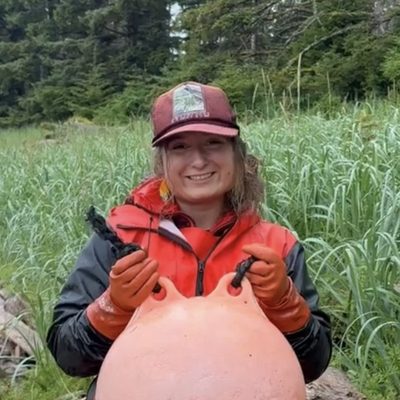
Zofia Danielson
Read biographyClose biography
Zofia Danielson
Zofia Danielson is the Managing Scientist at the Sitka Sound Science Center, a non-profit field station in Sitka, Alaska dedicated to increasing awareness and understanding of aquatic, marine and terrestrial ecosystems of coastal Alaska through education and research. Zofia received her bachelor’s degree from Western Washington University in Bellingham, Washington in environmental science with a marine emphasis, and minors in English and interdisciplinary studies. She manages SSSC's Marine Debris program.
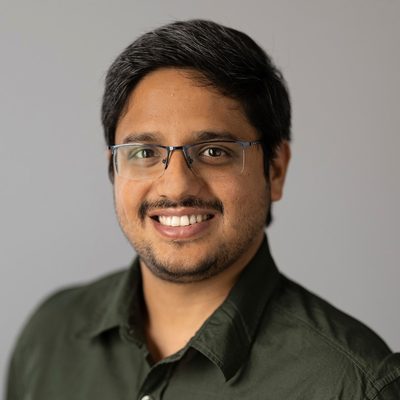
Paritosh Chakor Deshpande
Read biographyClose biography
Paritosh Chakor Deshpande
Paritosh C. Deshpande is an Associate Professor at the Norwegian University of Science and Technology (NTNU). His research focuses on material flow analysis and life cycle assessment of plastics in fisheries and aquaculture, with particular emphasis on circular economy strategies and sustainability assessment. Adopting systems engineering and stakeholder-driven approaches, he examines how circular solutions can be designed to achieve environmental, social, and economic viability. He holds a PhD from NTNU and an MSc from KTH Royal Institute of Technology, Stockholm. Deshpande is a member of the Joint Group of Experts on the Scientific Aspects of Marine Environmental Protection (GESAMP), contributing to Working Group 43 on sea-based sources of marine litter under UNEP, FAO, and IMO. He has participated in multiple EU and EU-NPA funded projects addressing sustainable and circular management of plastics in the fisheries and aquaculture sectors.
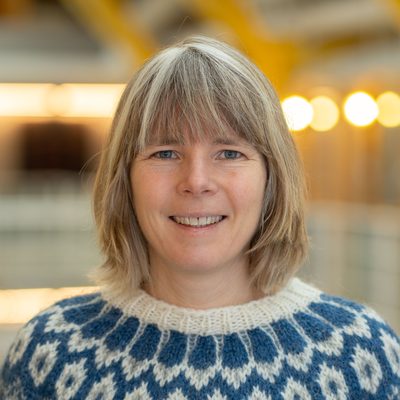
Jannike Falk-Andersson
Read biographyClose biography
Jannike Falk-Andersson
Jannike Falk-Andersson is a research professor at the Norwegian College of Fisheries Science, UiT-the Arctic University of Norway. She is an interdisciplinary scientist within fisheries management integrating ecological and social sciences in the context of marine resource management. This includes developing and applying innovation and design methodologies on analysis of sustainability issues and identification of solutions. Falk-Andersson has extensive research background on littering and macro-plastic pollution. The latter has included developing new methods for monitoring, stakeholder involvement to identify preventive measures, identification of sustainable circular economy solutions, and sustainability evaluation of downstream solutions to marine litter such as application of clean-up technology. Her work has involved close collaboration with marine stakeholders in understanding the origin of beach litter, why littering occurs and identifying solutions.
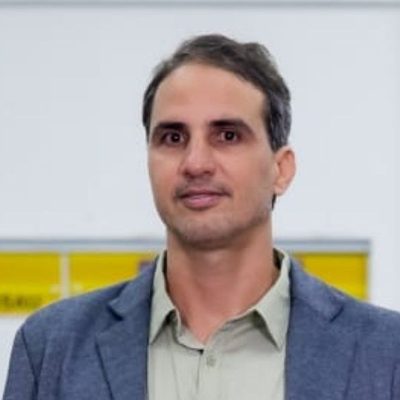
Cezar Fernandes
Read biographyClose biography
Cezar Fernandes
Ph.D. in Fisheries Resources and Aquaculture (UFRPE), currently serves as a professor at the Federal University of the Delta do Parnaíba (UFDPar), affiliated with the Fisheries Engineering program, and leads the coordination of the Fisheries Bioecology Laboratory (BIOPESCA). Research expertise is centered on fish population dynamics, encompassing integrated studies in taxonomy, biogeography, and fish migration, including advanced methodologies such as tagging and satellite telemetry. Further areas of investigation include trophic ecology (feeding habits), reproductive biology, age and growth analysis, and fish stock assessment using quantitative and model-based approaches.
Iselle Flores Ruiz
Read biographyClose biography
Iselle Flores Ruiz
Iselle (she/her/hers) obtained her MSc from the University of British Columbia studying the bioaccumulation of trace metals in the Salish Sea marine food web. Now as a Laboratory Manager and Analytical Scientist for Ocean Diagnostics, she is focused on developing rigorous, high-throughput protocols for microplastic analysis. Iselle is also passionate about engaging with academics and policy makers to create regulations pertaining to microplastic pollution in a more efficient way.
Maartje Folbert
Read biographyClose biography
Maartje Folbert
Maartje Folbert is a PhD researcher at the department of Environmental Sciences at the Open Universiteit, with a Master’s degrees in Marine Technology and Environmental Sciences. She has a professional background in maritime risk analysis. Her research focuses on the contribution of the commercial shipping industry to global plastic pollution. In addition, she has been actively involved in the development of capacity building activities and learning materials on plastic pollution and marine litter for the United Nations Environment Programme (UNEP).
Sydney Fox
Read biographyClose biography
Sydney Fox
Sydney is a PhD student at Reykjavik University and the University of Iceland under supervision of Dr. Hlynur Stefánsson and Dr. Guðfinna Aðalgeirsdóttir, with additional supervision by Dr. Mark Peternell of the University of Gothenburg. She is investigating the atmospheric transport of microplastic particles to Vatnajökull, with the aim to identify primary sources of plastic pollution and the overall quantity of microplastics deposited onto the glacier annually. Her work on microplastic pollution of glaciers began in 2022, and has been supported by many international organizations, including the Fulbright Iceland commission, Leifur Eiríksson fellowship, Sustainability Institute Forum, Landsvirkjun, Icelandic Meteorological Office, and the Icelandic Research Fund.
Joana Fragão
Read biographyClose biography
Joana Fragão
I am a PhD student in Biosciences at the University of Coimbra, where I conduct research at the Marine Research Lab of the Centre for Functional Ecology (CFE-UC | Coimbra, Portugal) and at the British Antarctic Survey (BAS | Cambridge, United Kingdom). I hold a degree in Biology and a master's degree in Ecology from the Faculty of Sciences and Technology of the University of Coimbra. My research has focused primarily on the impacts of anthropogenic activities—particularly microplastic pollution and associated chemical contaminants—on the marine food chain of the Scotia Sea, Antarctica. I am a member of the SCAR ImPACT working group, dedicated to monitoring chemical pollution in the Antarctic region, and of SCAR SPEG, which investigates the presence, origin, and biological effects of macro-, micro-, and nanoplastics in Antarctica. In addition to scientific activity, I actively participate in polar science outreach programs in schools.
Johanna Franke
Read biographyClose biography
Johanna Franke
I have been working as a beach cleanup coordinator for four years and cleaned beaches and conducted research in four different countries. I have used the research conducted in Iceland for my master thesis, analysing how Iceland is upholding its commitment to cleaner beaches and reducing marine litter.
Besides that, I am currently part of APECS' project group on Plastics and co-chair of the SCAR Plastic (in Polar Environments) Expert Group' working group on Dissemination, Networking and Public Engagement.
Eric Fries
Read biographyClose biography
Eric Fries
I am Eric Fries, a PhD candidate at Toronto Metropolitan University in Toronto, Ontario, Canada. My research focuses on plastic additive chemicals that are persistent, mobile, and toxic (PMT). I mainly employ analytical techniques (liquid chromatography and mass spectrometry) to investigate the leaching behaviour of these substances from plastics, improve current analytical capabilities, and investigate their occurrence in Arctic biota in Canada.
Belén García Ovide
Read biographyClose biography
Belén García Ovide
Belén García Ovide is a marine biologist, sailor, wildlife guide, and ocean advocate based in Iceland, with over 14 years of experience studying and exploring marine ecosystems. Her work focuses on ocean conservation, citizen science, and sustainability in semi-remote sub-Arctic and Arctic regions.
As founder and Project Manager of Ocean Missions, a nonprofit based in Húsavík, she bridges science and responsible tourism through impactful sailing expeditions to monitor the ocean´s health, aiming to advance ocean protection in Iceland while promoting purpose-driven exploration.
Belén is currently a PhD student at the University of Iceland, contributing to the e-Whale project. Her research integrates microplastic monitoring, environmental DNA (eDNA), and citizen science to develop co-management strategies for marine conservation in the Northeast Iceland Hope Spot.
Sindri Gíslason
Read biographyClose biography
Sindri Gíslason
Dr. Sindri Gíslason is a marine biologist and Director of the Southwest Iceland Nature Research Centre (Náttúrustofa Suðvesturlands). His work focuses on human impacts in marine ecosystems, with particular emphasis on non-indigenous species and emerging environmental pressures in Icelandic waters. Over the past decade, he has led national efforts to document and monitor ecological change in coastal and harbour environments.
His recent research includes quantifying plastic pollution in seabird colonies, using the Northern Gannet (Morus bassanus) colony on Eldey as a model system. This work combines image-based assessments with direct nest measurements to better understand the extent and variability of plastic incorporation in remote North Atlantic ecosystems.
Dr. Sindri Gíslason collaborates with national and international partners and contributes to science-based policy and environmental monitoring frameworks in Iceland.
Thelma Gonzalez Cruz
Read biographyClose biography
Thelma Gonzalez Cruz
Thelma González is a Chemist and Biotechnologist specializing in the intersection of circular economy, material innovation, and international policy. As a UN-accredited Observer for the Global Plastic Treaty negotiations, she contributes technical expertise to high-level multilateral frameworks, ensuring that emerging scientific solutions inform global regulatory standards. Her research at the National Autonomous University of Mexico focuses on the enzymatic depolymerization of legacy plastics and microplastic accumulation in aquatic ecosystems, building on her previous work at the University of Glasgow.
Beyond academia, Thelma is a recognized tech-entrepreneur and CEO of Spootnik, an edible-cutlery startup that won the Bayer Youth AgSummit "Thrive for Change" award for its innovative approach to material substitution. A Chevening Scholar and "Leader of Tomorrow" at the University of Cambridge, she is dedicated to accelerating the transition toward a sustainable bioeconomy through cross-sectoral partnerships and science-driven innovation.
Thelma's purpose in life is to end plastic pollution worldwide.
Ingeborg Hallanger
Read biographyClose biography
Ingeborg Hallanger
Dr. Ingeborg G. Hallanger is an ecotoxicology researcher with the Norwegian Polar Institute. She has extensive knowledge on pollutants in the Arctic ecosystem, both contaminants and microplastic. She has worked with contaminant transfer in food webs, contaminant levels in the environment and lower trophic level species, as well as microplastic in biota and the environment.
Bonnie Hamilton
Read biographyClose biography
Bonnie Hamilton
Dr. Bonnie Hamilton is an ecotoxicologist and Research Scientist in the Environment, Society, and Policy Group at the University of Ottawa. Her research integrates principles from aquatic ecology and toxicology, environmental risk, and conservation biology to investigate questions about the environmental transport, ecological fate, and effects of emerging contaminants under a changing climate. Bonnie co-leads community-based monitoring programs alongside Northern partners across Inuit Nunangat. She takes a trans-disciplinary approach in her research by weaving multiple ways of knowing to better understand ecosystem and community health. She has served on AMAP’s Litter and Microplastic Expert Group since 2020, and holds an Adjunct Faculty position at the University of Ottawa.
Margaret Handley
Read biographyClose biography
Margaret Handley
I am a public health researcher working on reducing plastic waste, and plastic waste burning in rural Guatemala. I am a professor of epidemiology and biostatistics at the University of California, San Francisco, where I work at the interface of implementation science, public health and climate change, among other things. This work to be presented includes results of first intervention to reduce plastic waste burning/plastic use, in Indigenous communities where there is not municipal trash removal, requiring local solutions. The work involved a community co-design and implementation of the Ecolectivos intervention, funded by US National Institutes of Health. We report on initial findings of effectiveness and engagement among participants, in the randomized trial of 16 villages, 30 women per villlage. We believe this is important data for plastic reducing efforts in global south
Georg Hanke
Read biographyClose biography
Georg Hanke
Scientific Officer at the EC Joint Research Centre, Ocean and Water Unit
· 2009-2024 involved in the Marine Strategy Framework Directive MSFD implementation support on pollution, contaminants and marine litter.
· 2010 -2024 co-chair of the MSFD Task Group on Marine Litter, later Technical Group on Marine Litter TG ML: https://mcc.jrc.ec.europa.eu/main/dev.py?N=41&O=434&titre_chap=TG%20Litter
· Contributing to the implementation of harmonized marine litter monitoring beyond EU, (co)author of multiple reports and publications on methods, baselines and thresholds of marine litter.
Developing harmonised approaches for the monitoring of floating and seafloor plastic and marine macrolitter with scientific communities.
· Supporting the development of global environmental monitoring of plastic/marine litter in the context of the EU Ocean Pact
Haylee Hatton
Read biographyClose biography
Haylee Hatton
Haylee Hatton is a Master’s student in Biological Sciences at the University of Alberta, Canada. She completed her Bachelor of Science at MacEwan University, where she conducted undergraduate research under the supervision of Dr. Matthew Ross.
She has conducted microplastic quantification and monitoring in freshwater invertebrates and fish across diverse freshwater systems in Alberta, Canada, as well as in Arctic pinnipeds. Her current graduate research investigates the effects of environmental change and pollutants on fish, with particular interests in ecotoxicology and fish physiology.
Takahito Ikenoue
Read biographyClose biography
Takahito Ikenoue
Takahito IKENOUE (ikenouet@jamstec.go.jp) is a senior researcher at the Japan Agency for Marine-Earth Science and Technology (JAMSTEC). He specializes in biological oceanography, mainly studying the distribution and export fluxes of siliceous Rhizaria, radioactive microparticles, and microplastics. He has been a member of the AMAP Litter and Microplastic Expert group since 2025.
His major papers on the distribution and export flux of microplastics are listed below.
1. Ikenoue, T., et al. (2024). Vertical flux of microplastics in the deep subtropical Pacific Ocean: moored sediment-trap observations within the Kuroshio Extension recirculation gyre. Environmental Science & Technology, 58(36), 16121-16130. https://doi.org/10.1021/acs.est.4c02212.
2. Ikenoue, T., et al. (2023). Floating microplastic inventories in the southern Beaufort Sea, Arctic Ocean. Frontiers in Marine Science, 10, 1288301. https://doi.org/10.3389/fmars.2023.1288301.
3. Ikenoue, T., et al. (2023). Horizontal distribution of surface microplastic concentrations and water-column microplastic inventories in the Chukchi Sea, western Arctic Ocean. Science of the Total Environment, 855, 159564. https://doi.org/10.1016/j.scitotenv.2022.159564.
Aanchal Jain
Read biographyClose biography
Aanchal Jain
I am an ecological economist currently working as a postdoctoral researcher at the British Antarctic Survey. I recently completed my PhD in economics at the University of Western Brittany (France), where my research focused on understanding the sources, impacts, and policy effectiveness related to marine plastic pollution within the framework of the Marine Strategy Framework Directive.
My current research focuses on assessing the economic impacts of human activities in Antarctica and developing policy recommendations to reduce these impacts. I have also worked with the International Union for Conservation of Nature on economic analyses of marine plastic pollution in Southeast Asia.
Overall, my work combines ecological economics, risk-based approaches, and policy analysis to support more effective environmental decision-making in marine and polar contexts.
Barbara Jóźwiak
Read biographyClose biography
Barbara Jóźwiak
Barbara Jóźwiak is a co-director and researcher at the forScience Foundation – a little NGO pursuing diverse scientific, ecological and educational goals. A philologist by training, she followed a meandering career path that led from language education to environmental science and from Asia to the Arctic, crossing several lines of work, countries and cultures on the way. Her current focus is marine litter pollution in Svalbard and she is seeking ways to make her research relevant.
Christian Karl
Read biographyClose biography
Christian Karl
Since 04/2019: Research Scientist in the department Materials and Nanotechnology, Polymer and Composite Materials Group, SINTEF Industry, Oslo
Main fields of competence and research area:
Competence: material science, surface chemistry, polymer chemistry/physics, physical and analytical chemistry, polymers and polymer composites
Research topics: plastics in fisheries and aquaculture, biodegradable plastics for marine applications, recycling of polymers and polymer composites, recycling of fishing gear, coatings, friction and wear, microplastics
Christopher Kim Pham
Read biographyClose biography
Christopher Kim Pham
Christopher Pham is a Research Associate at the Okeanos Institute for Marine Sciences, University of the Azores, with over 15 years of experience studying human impacts on deep-sea ecosystems and plastic pollution. He currently leads the Azores Marine Litter Laboratory and has authored 86 peer-reviewed publications. He is an active member of several international expert groups focused on marine pollution (OSPAR, GESAMP, IMDOS) and deep-sea ecology, and has served as Chair of the ICES Working Group on Marine Litter (WGML). Throughout his career, he has contributed as both principal investigator and collaborator on numerous national and international research projects, and he is actively engaged in science-policy initiatives.
Christina Koch
Read biographyClose biography
Christina Koch
Christina Koch is the Head of International Affairs and Partnerships at Our Ocean Foundation. She holds a master’s degree in international relations and brings extensive experience in project management and international cooperation. Her work focuses on the coordination of cross-sector and cross-border projects aimed at creating sustainable solutions.
Our Ocean Foundation is a social impact hub based in Northern Norway that brings together people, knowledge and experience from different sectors, generations, and backgrounds - and develops models that connect nature, public health, learning, and social inclusion in practice.
Christina has contributed to key international forums, such as presenting at the “International symposium on plastics in the Arctic and Sub-Arctic region" (2023) and she has been recognised with the “Outstanding Poster Award” at Arctic Frontiers 2025.
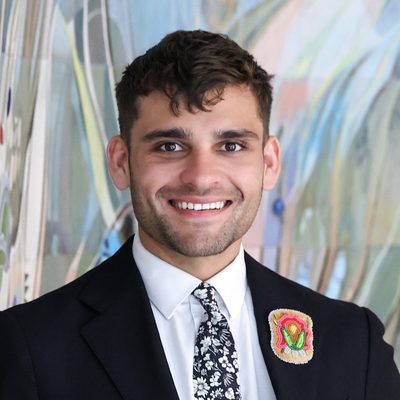
Justin Langan
Read biographyClose biography
Justin Langan
Justin R. Langan is a 27-year-old Métis Canadian youth leader and the Executive Director of O’KANATA, a nonprofit that empowers Indigenous youth through eco-literacy, climate action, and cultural programming. His work focuses on community-driven solutions that integrate traditional knowledge with policy and environmental practice. Justin has led initiatives on youth employment, sustainability, and digital storytelling, and has represented Indigenous perspectives at global forums including the World Economic Forum and Arctic Frontiers.
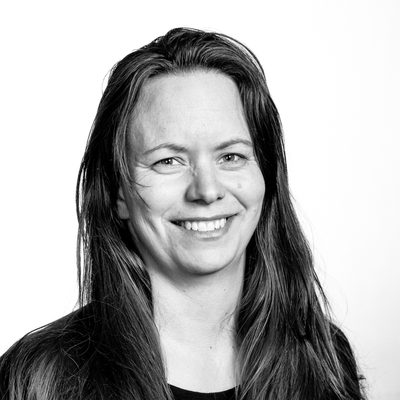
Marthe Larsen Haarr
Read biographyClose biography
Marthe Larsen Haarr
Dr. Haarr is a senior research scientist at the Norwegian consultancy firm SALT. She holds a PhD from the University of New Brunswick (Canada) as a marine ecologist specialising in productivity of invertebrate fisheries and anthropogenic impacts on this. Since joining SALT in 2016 she has applied her analytical and study design skills to tackling various aspects of the marine litter challenge, primarily predictive mapping of beach litter concentrations in relation to
geomorphology and source identification of beach litter. She also has a keen interest in monitoring, survey design and statistical power. Dr. Haarr has always had a passion for the Arctic, and while not all her work is concentrated here a considerable portion is, particularly in the Norwegian and Barents Seas.
Carolin Leluschko
Read biographyClose biography
Carolin Leluschko
I am a researcher at the German Research Center for Artificial Intelligence (DFKI) and a PhD candidate at the Carl von Ossietzky Universität Oldenburg in Germany. My work focuses on litter monitoring using remote sensing data and artificial intelligence, with a particular emphasis on making these models explainable to ensure transparent and trustworthy interpretation of their outputs. I am currently involved in the project “Beach Litter Monitoring on Arctic Coasts Using Remote Sensing and Artificial Intelligence”, funded by the German Environment Agency (UBA), which investigates how UAV‑based imagery can support the automated detection of beach litter while remaining aligned with established monitoring protocols.
Amy Lusher
Read biographyClose biography
Amy Lusher
Dr. Amy Lusher is a marine biologist specialising in microplastics and litter pollution. She has authored > 70 peer reviewed publications, including seminal works on microplastic assessment, and has been recognised as a Highly Cited Researcher for the past five years. She brings extensive international experience and combines deep scientific expertise with a practical approach to method development and monitoring.¨
She has led national and international microplastic assessment strategies, including for the Norwegian Environment Agency, and co developed best practice guidelines for organisations such as the Ministry of the Environment Japan, Arctic Monitoring and Assessment Programme (AMAP), and FAO. Dr. Lusher serves as co-chair of the Integrated Marine Debris Observing System (IMDOS), guiding global efforts toward coordinated marine debris observation. She also contributes to working groups linked to UNEP GPML, OSPAR, AMAP, and ICES, and previously served with GESAMP Group 40.
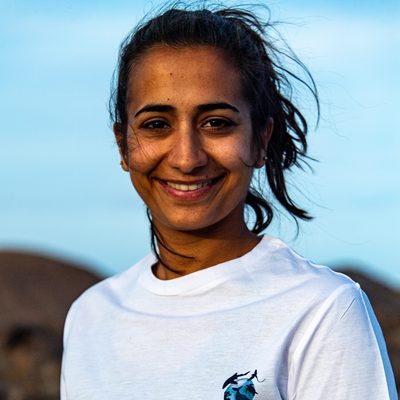
Diana M. Matos
Read biographyClose biography
Diana M. Matos
I am a biologist dedicated to understanding how human activities shape natural systems and the species that depend on them. My research focuses on seabird ecology, using these sentinel species to assess the health of marine ecosystems. I completed my PhD in Biosciences at the University of Coimbra in 2024, with the dissertation “Seabirds as indicators of plastic pollution: a multi-level approach to plastic exposure”. Following my PhD, I held a postdoctoral position investigating interactions between seabirds, sea turtles, and artisanal fisheries in West Africa. I am currently a postdoctoral researcher at Aarhus University within the EU Horizon ArcSolution project: Arctic Pollution in a One Health Perspective. In this role, I lead analyses of citizen science data on plastic pollution across the Arctic, Sub Arctic, and Northern Europe. Contributing to improving platforms and digital tools used to document wildlife-plastic, with a particular emphasis on remote and under monitored regions.
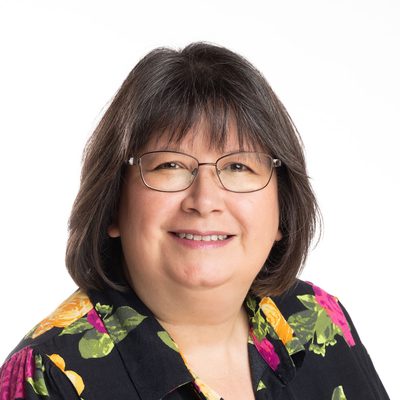
Audrey Matthews
Read biographyClose biography
Audrey Matthews
Audrey Louise Matthews gained a PhD in Chemistry from the University of Reading, UK in 2014, after completing the Graduate of the Royal Society of Chemisty qualification at Huddersfield Polytechnic, UK. She completed 25 years teaching applied analytical chemistry at De Montfort University in Leicester, UK beofre moving to Akureyri. She now teaches biochemistry and pharmacology at the University of Akureyri, and focuses on research in the areas of environmental monitoring and analysis.
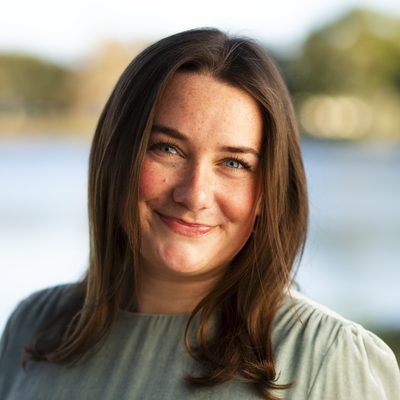
Chloe McKenna
Read biographyClose biography
Chloe McKenna
Chloe McKenna is a marine social scientist and environmental communicator passionate about how people, social and political systems, and the natural environment interact in shaping a more equitable future. She currently serves as the Development and Communications Director at ReThink Energy Florida, a nonprofit dedicated to advancing clean energy and climate education across the state.
In November 2024, Chloe McKenna graduated from the Marine Systems and Policies MSc Program at the University of Edinburgh. Her dissertation focused on the socio-ecological impacts of marine plastic pollution on Scottish island communities with a focus in the Outer Hebrides.
After completing her MSc dissertation, Chloe founded Hebridean Coastal Stories (HCS): an interdisciplinary socio-ecological storytelling project. HCS emerged from a desire to amplify the voices and lived experiences of islanders she encountered while conducting fieldwork for this research–voices that are often marginalized in discussions around marine management and broader socio-ecological challenges.
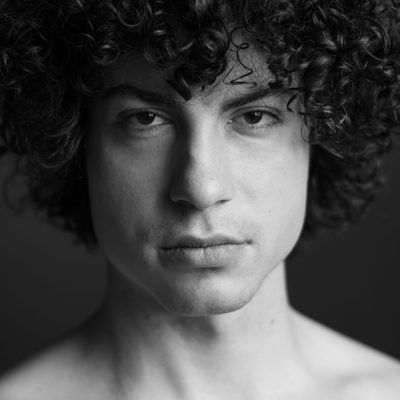
Aaron McQuaid
Read biographyClose biography
Aaron McQuaid
Aaron is a 4th year PhD Candidate at Toronto Metropolitan University. His research focuses at the intersection of Environmental Analytical Chemistry, policy and environmental justice. With experience sampling in the Canadian Arctic, Aaron leverages his experiences as a Black and Irish Canadian to direct and inform his engagement with his own research that is geared towards supporting northern communities and government in environmental fate and transport of Chemicals of Emerging Arctic Concern. Aaron has worked in numerous different community based outreach organizations and taking multiple certificates, like Indigenous Knowledges and Experiences, to elevate his knowledge and give back the community through mentorship and education of the younger generations.
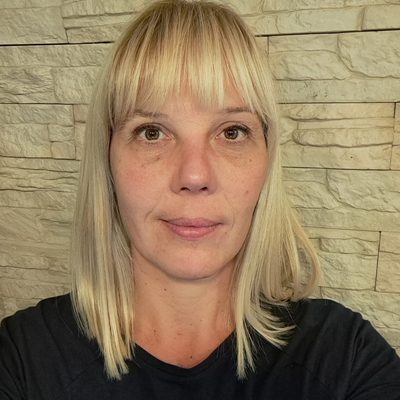
Lara Mikac
Read biographyClose biography
Lara Mikac
I am a researcher at the Ruđer Bošković Institute, Croatia, working in the Laboratory for Molecular Physics and Synthesis of New Materials. My research focuses on the detection and characterisation of micro- and nanoplastics in aquatic environments using Raman microspectroscopy and surface-enhanced Raman scattering (SERS). I combine these spectroscopic techniques with data analysis and machine learning to develop automated workflows for reliable, high-throughput microplastic identification. I have participated in international collaborative projects and short-term scientific missions across Europe and Asia, and have contributed to multiple studies on microplastic detection, SERS substrate development, and the effects of environmental degradation on polymer particles.
Ellen Sandvik Mikkelsen
Read biographyClose biography
Ellen Sandvik Mikkelsen
Ellen Mikkelsen, founder and Executive Director of Our Ocean Foundation (Stiftelsen Vårt Hav), has nearly 30 years of experience in social inclusion, youth engagement, community development, sustainability, volunteering and leadership. With a background in social sciences, she has worked extensively with civil society and community-based initiatives. She also spent nearly a decade with Friends of the Earth Norway (Naturvernforbundet) as a specialist adviser on marine litter.
She developed Skolerydding, a national school-based model combining marine litter clean-ups, environmental education and active citizenship, which has engaged around 30,000 children and young people across Norway. Her work connects ocean action with education, youth employment, inclusion and local development.
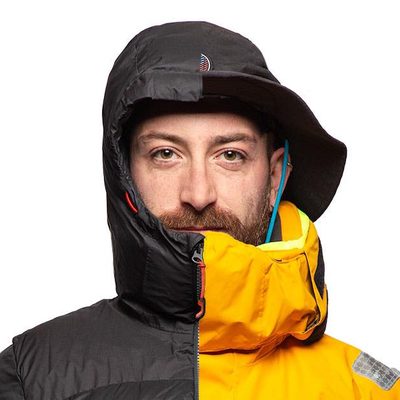
Maurizio Milesi
Read biographyClose biography
Maurizio Milesi
Maurizio Milesi (1993) is an Italian documentary photographer whose work explores the relationship between people, geography, and responsibility. Trained in Communication Sciences, he developed an early interest in portraiture as a tool for understanding identity, vulnerability, and human presence within broader social contexts.
In recent years, his practice has expanded toward environmental and social documentary work, where portraiture remains central but is placed in dialogue with fragile landscapes and human intervention. Since 2025, he embedded as independent author with Norwegian NGO In The Same Boat, spending five months sailing through the Arctic and the North Atlantic to document their cleanup missions against plastic pollution.
Today, his work sits at the intersection of portraiture, environmental storytelling, and social geography. Through long-term projects, he investigates how individuals and communities inhabit, transform, and care for the places they depend on — using photography as a way to observe, listen, and build connection.
Rachael Miller
Read biographyClose biography
Rachael Miller
Rachael Zoe Miller is a National Geographic Explorer, expedition scientist, inventor and author working to protect the ocean. She is the Founder of Rozalia Project for a Clean Ocean, a nonprofit addressing marine debris, co-inventor of the Cora Ball, the world’s first microfiber-catching laundry ball and author of Decision-Making in the Age of Plastics. Rachael leads expeditions whose results are published in peer-reviewed journals and education programs that inspire thousands of all ages. She is a Visiting Scientist with National Geographic-Lindblad Expeditions, investigating microplastic and microfiber in polar oceans and co-chairs the Scientific Committee on Antarctic Research’s plastics public engagement working group. She’s presented at myriad events worldwide, including TedX, SuomiArena and Chautauqua Institution. Rachael captained the 60’ sailing research vessel, American Promise, trained Navy SEALS to use underwater robots, and mentors young scientists. She lives in Vermont and loves human and wind-powered snow and water sports.
Maëlle Montier
Read biographyClose biography
Maëlle Montier
After graduating from a Master’s Degree in Event management, Maelle Montier started her Ocean Journey by an internship at Ifremer (France) in communication and event management. This eye-opening experience led to a position at the World Ocean Network, a wonderful opportunity to collaborate with international and local organisations working on ocean Literacy. Wanting to share her passion for the Ocean, she became a science communicator in Nausicaa (Aquarium and marine science centre in the north France) for schools and the general public during 4 years. She now works as a project officer for the European Interreg project “TREASURE”.
Peter Murphy
Read biographyClose biography
Peter Murphy
Peter Murphy has served as the Alaska Regional Coordinator for the NOAA Marine Debris Program since 2009. Throughout his tenure, Peter has led and supported diverse initiatives across the state, from derelict vessel removal in the Pribilof Islands to sonar surveys for fishing gear in Southeast Alaska. This experience - including cleanups in Alaska’s most remote regions - provides him with a firsthand understanding of the unique logistical challenges and opportunities in the state’s varied environments. In recent years, Peter has expanded this focus to address the emerging issue of Arctic marine debris through integrated monitoring, prevention, removal and international collaboration efforts.
Thendo Mutshekwa
Read biographyClose biography
Thendo Mutshekwa
I, Dr. Thendo Mutshekwa, am a Postdoctoral Researcher at Rhodes University with a PhD in Environmental Science from the University of Venda, where my research focused on freshwater invertebrates and ecosystem drivers. My research expertise encompasses freshwater ecology, with a strong emphasis on plastic pollution, water quality, and ecosystem functioning. I have extensive experience in aquatic ecology, ecosystem ecology, freshwater biology, eutrophication studies, community structure analysis, and field-based sampling.
I have published in reputable peer-reviewed journals, and demonstrated strong teaching and mentorship skills through effective knowledge transfer and student supervision. My work aligns closely with freshwater research priorities, including field and laboratory investigations, data analysis, and the management and curation of freshwater invertebrate specimens and collections.

Kaylin Rose Nickels
Read biographyClose biography
Kaylin Rose Nickels
Kaylin Nickels is a Master’s student in Aquatic Biology and Fisheries at the University of Iceland. Her research investigates micro-nanoplastic contamination in marine ecosystems, focusing on tissue-level distribution in Atlantic herring. She holds a Bachelor’s degree in Environmental Science, with an emphasis in Biology and Chemistry, from the University of Wisconsin–Green Bay. She is passionate about marine conservation and hopes to pursue a career as a marine conservationist.
Marie-Fleurine Olsen
Read biographyClose biography
Marie-Fleurine Olsen
Marie-Fleurine Olsen is a senior advisor at the Norwegian Environment Agency, working in the section for plastic pollution. Her main areas of responsibility include plastic pollution and litter, with a particular focus on pollution issues in Arctic regions.
Nicola Marlene Jesus Pestana
Read biographyClose biography
Nicola Marlene Jesus Pestana
Nicola Pestana is a Biologist and a Senior Technician of the Regional Directorate of Environment and the Sea (DRAM) in Madeira Island, Portugal. Nicola is a member of the OSPAR Commission Beach Litter Expert Group (BLEG) and coordinates the Madeira Regional Beach Litter Monitoring Program. She is also involved in coordination activities of the projects FREE LITTERAT - Interreg Atlantic, and CIRCULAR OCEAN- Interreg Mac.
Keshnee Pillay
Read biographyClose biography
Keshnee Pillay
Keshnee Pillay is a Marine Scientist with the South African Department of Forestry, Fisheries and the Environment (DFFE), specialising in plankton, marine plastics and ecosystem indicators. She leads and manages the Integrated Ecosystem Programme (IEP), which focuses on long-term ocean monitoring, environmental observation, and the development of Essential Ocean Variables (EOVs) from waves to whales to support national and global reporting frameworks, including SDG 14.1.1. Keshnee also leads the South African Macro-, Meso-, and Micro-Plastics (SAMP) Network, coordinating national-scale monitoring and international collaboration, including contributions to the UN IAEA NUTEC Plastics initiative. Her plankton research incorporates multi-decadal datasets on mesozooplankton and macrozooplankton in the southern Benguela region, contributing to improved understanding of ecosystem variability and change. Her work integrates field observations, laboratory analysis, and indicator development to strengthen the scientific basis for ocean governance by developing scientifically robust and policy-relevant methodologies to support national and global reporting obligations.
Jennifer Provencher
Read biographyClose biography
Jennifer Provencher
Dr. Jennifer Provencher is a research scientist with the Ecotoxicology and Wildlife Health Division in Environment and Climate Change Canada. Dr. Provencher has collaborated with partners across the Arctic since the 2007-08 International Polar Year, when she was a graduate student and visited the Arctic for the first time. Her work addresses wildlife health, and in the Arctic it currently focuses on legacy and emerging contaminants, pathogens, and plastic pollution. Her work on plastic pollution in the Arctic dates back to the 2000s, and her research team works to explore both the fate and the effects of plastic pollution on all three of Canada’s coasts, and many lakes in between. She is currently the lead of the long-term seabird contaminants project under the Northern Contaminants Program (NCP), and is also the co-chair of the Litter and Microplastics Expert Group (LMEG) for Canada under the Arctic Monitoring and Assessment Program (AMAP).
Rocío Quintana
Read biographyClose biography
Rocío Quintana
Rocío Quintana is a PhD candidate in the Department of Biology at the University of Cádiz. Her research focuses on the distribution of microplastics across different environmental compartments of the Gulf of Cádiz, with a particular emphasis on accumulation patterns in sediments, aiming to reconstruct their historical deposition using sediment cores.
Anusha Rajkaran
Read biographyClose biography
Anusha Rajkaran
Prof Anusha Rajkaran is an Estuarine Ecologist with an interest in submerged and emergent macrophytes such as mangrove forests, saltmarsh and seagrass. She received her PhD in Botany in 2011 from Nelson Mandela University and was appointed as a Lecturer in the Department of Botany at Rhodes University later that year. Anusha joined the Department of Biodiversity and Conservation Biology at the University of the Western Cape 2015/16. Her current research focuses on the health, functioning, and distribution of submerged and emergent macrophytes. Anusha’s research group is currently working in estuaries around the country with a focus on measuring heavy metals, microplastics and community structure of mangroves, saltmarshes and seagrass beds in South Africa.
Peter Randall
Read biographyClose biography
Peter Randall
Dr Peter Randall is a Senior Marine Litter Scientist, Cefas’ lead for Abandoned Lost and otherwise Discarded Fishing Gear (ALDFG). Peter’s core work areas are collecting data on ALDFG, identifying country specific drivers, and raising awareness about the impacts of ALDFG. In addition, exploring waste management pathways for End-of-Life Fishing Gear and the viability of fishing gear that is biodegradable in the marine environment. Peter has provided national and international advice on ALDFG and led several international collaborations, such as research for the Ocean Country Partnership Programme (OCPP) in Ghana, Sri Lanka and Maldives where he is the OCPP pollution theme lead. His research produces evidence on ALDFG issues through fisher interviews to inform monitoring programs and the effectiveness of interventions. Previously, Peter contributed to the Commonwealth Litter Programme in five countries, including projects in South Africa and Belize, and has assessed ALDFG's impact on seafloor litter in the UK.
Ingeborg Rønning
Read biographyClose biography
Ingeborg Rønning
Ingeborg Rønning is project manager for cleanup and international work at Keep Norway Beautiful, where she mobilizes volunteers nationwide to address marine and plastic litter. She facilitates collaboration among stakeholders and supports coordinated cleanup efforts across Norway.
She holds a master’s degree in marine sustainability and has experience in sustainability initiatives and stakeholder engagement. Ingeborg is also a member of the One Ocean Youth Panel, contributing youth perspectives to ocean and climate discussions.
Her work includes international collaboration, particularly in Arctic and Nordic contexts, with a focus on partnerships and local engagement.
Josie Russell
Read biographyClose biography
Josie Russell
I am a marine environmental scientist specialising in the research and monitoring of marine litter, with expertise spanning marine ecology, coastal and waste management, and policy-relevant research. As a Principal Scientist at the Centre for Environment, Fisheries and Aquaculture Science (Cefas), I contribute to the design and implementation of monitoring programmes addressing marine litter pollution, and to national and international programmes investigating the sources, distribution, fate and ecological impacts of marine litter. My research focuses on developing and applying harmonised methodologies for the collection, identification, and quantification of litter, across marine and freshwater environments. I have contributed to studies examining the spatial and temporal distribution of seafloor litter and microplastics, supporting large-scale environmental assessments and advancing methodological standardisation. Operating at the science- policy interface, I provide robust evidence to inform monitoring frameworks and mitigation strategies, and through interdisciplinary collaboration, I aim to enhance data comparability understanding of plastic pollution dynamics.
Alena Sakovich
Read biographyClose biography
Alena Sakovich
I am a PhD student at Durham University and British Antarctic Survey, where my research focuses on marine ecology, microplastics, and carbon cycling in polar ecosystems. My work explores how microplastic pollution interacts with zooplankton and marine snow in the Southern and Arctic Oceans, and what this may mean for food webs and biological carbon sequestration. I use a combination of field observations and experimental work to investigate how plastics move through marine systems and influence key biogeochemical processes of the oceans. More broadly, I am interested in understanding how human pressures affect ocean ecosystems and why these changes matter for biodiversity, ecosystem functioning, and climate-relevant processes. Alongside my research, I care about clear and accessible science communication and enjoy presenting complex environmental questions in a way that is scientifically rigorous while still engaging for different audiences.
Miguel Jorge Sánchez-Guerrero-Hernández
Read biographyClose biography
Miguel Jorge Sánchez-Guerrero-Hernández
I am a PhD candidate at the University of Cádiz, where I am working on my thesis entitled “Global land-to-ocean assessment of plastic pollution in aquatic ecosystems.” My work focuses on understanding the distribution of microplastics in freshwater systems and their connection to marine environments. As part of the INSPIRE project, I am currently developing a Riverine Litter Database compiling global studies on plastic pollution. I also apply statistical and modelling approaches to quantify and assess the transport and distribution of microplastics across aquatic systems.
Lena Schaffeld
Read biographyClose biography
Lena Schaffeld
Lena Schaffeld is a marine scientist specializing in ocean plastic pollution and megafauna conservation. She holds a Master's degree in Marine Biological Sciences (Magna Cum Laude) from Ghent University and a Bachelor's in Environmental Science from Utrecht University. With experience spanning research expeditions across the Atlantic and Mediterranean, Lena has led microplastic pollution investigations with the ESA and conducted ecotoxicological analyses on marine species including devil rays. As an Ocean Ambassador for the UN Ocean Decade and Science Communication Manager for a non-profit addressing plastic pollution, she bridges scientific research with public engagement through education and media content creation. Her recent publication in Environmental Pollution on plasticizer contamination in mobulids reflects her commitment to advancing conservation science.
Marc Schnurawa
Read biographyClose biography
Marc Schnurawa
Marc Schnurawa works at BioConsult SH (Germany) in the department of Remote Sensing and manages projects such as "Beach litter monitoring of Arctic coasts using remote sensing", Ecowende and SeaMe. He is responsible for planning, conducting and evaluating drone-based surveys, including UAV-based monitoring of birds and marine mammals in coastal and offshore areas. He also conducts research into drone-based and AI-supported monitoring of plastic litter on Arctic beaches.
Zoe Scott-Green
Read biographyClose biography
Zoe Scott-Green
Zoe is a marine researcher and Fisheries Liaison Officer with KIMO International, working on the Fishing for Litter programme across Scotland. She specialises in marine litter, sustainable fisheries and circular economy solutions, with a focus on improving end-of-life pathways for materials recovered from the marine environment. Zoe recently completed an MSc in International Marine Science at Heriot-Watt University, where her research explored environmental predictors of cetacean strandings.
Her work spans applied research, stakeholder engagement and project delivery, including leading the UK’s first multi-industry rope recycling initiative in the Hebrides. Zoe also works as an independent marine consultant, contributing to projects with NatureScot, the Marine Directorate and the Scottish Entanglement Alliance. Her research interests centre on human-wildlife interactions and developing practical, data-driven solutions to marine environmental challenges.
Salina Magdalena Spiering
Read biographyClose biography
Salina Magdalena Spiering
Salina Magdalena Spiering (PhD) is a political geographer with an interdisciplinary background in geography, political science, and biology. She has over 14 years of experience in interdisciplinary and transdisciplinary research on sustainability and societal transformation, with a focus on narratives, conceptualisations of transformative change, and questions of power, empowerment, and community development.
Her research addresses transformation processes in biodiversity governance, agri-food systems, and sustainable development across energy, agricultural, and coastal contexts at local, regional, and European levels. She engages with feminist perspectives, conflict transformation, and the development of quality criteria for transformative research, with a particular interest in capacity building and local empowerment.
Currently, she works in the Horizon Europe project ArcSolution on trust in political and scientific institutions in relation to plastic pollution, and in the NanoMap project on nanoplastics within the Norwegian Water Framework Directive. She is a senior researcher at Nordlandsforskning.
Ahmed Tiamiyu
Read biographyClose biography
Ahmed Tiamiyu
Ahmed Tiamiyu is the Executive Director of Community Action Against Plastic Waste (CAPws) and a practitioner–researcher working at the intersection of circular economy systems, community-based environmental governance, and plastic pollution mitigation in low- and middle-income countries. His work focuses on developing empirically grounded models for democratized plastic governance, integrating citizen science, reuse and refill systems, and material recovery infrastructure to reduce plastic leakage while strengthening local livelihoods.
He has led multi-country initiatives in over 73 impacted and frontline communities, generating field-based evidence on participatory monitoring, informal sector integration, and community-led circular economy models. His work has supported capacity building for government institutions and informed emerging policy frameworks on plastic pollution and materials management.
Ahmed’s research and practice position CAPws as a living laboratory for inclusive circularity, advancing scalable approaches that link environmental restoration, plastic leakage reduction, and equitable green economic opportunities.
Kristina Tirman
Read biographyClose biography
Kristina Tirman
Kristina Tirman is the Arctic Marine Debris Manager at Ocean Conservancy, where she supports communities, organizations, and Tribes across Alaska and the broader Arctic region in their marine debris removal and prevention efforts. She has a background in science education and experience planning and leading remote marine debris removal projects in Southeast Alaska. Kristina has lived in Sitka, Alaska, for the past ten years. Before joining Ocean Conservancy, she spent seven years at the Sitka Sound Science Center as the Education and Marine Debris Coordinator, where she developed and led hands-on, accessible science programs for learners ranging from preschoolers to adults. She is passionate about engaging youth and community members of all ages in environmental stewardship.
Josué Viejo Marín
Read biographyClose biography
Josué Viejo Marín
PhD in Marine Science and Technology (2025, Cum Laude & International Mention) from the University of Cádiz, recipient of multiple Extraordinary Awards and the Andalusian Award for Best Academic Career.
Specialized in marine plastic pollution, I have worked with world-leading research groups, notably on the MIDaS project. My research evaluates the distribution and fluxes of debris across multiple scales, ranging from global patterns to regional dynamics in the Mediterranean. I excel in the standardization and advanced statistical analysis of large datasets, complemented by expert proficiency in QGIS®. I have developed proprietary geospatial methodologies that have led to co-authored publications in high-impact scientific journals.
My career is defined by a trajectory that integrates rigorous laboratory analysis with multiscale environmental modeling, establishing a comprehensive framework for quantifying and understanding the global challenge of marine plastic waste.
Katrin Vorkamp
Read biographyClose biography
Katrin Vorkamp
Katrin Vorkamp is Professor in Environmental Chemistry at Aarhus University (Denmark). She has worked with Arctic pollution for 25 years, including the monitoring of persistent organic pollutants (POPs), identification of chemicals of emerging Arctic concern (CEACs) and circumarctic assessments under the auspices of the Arctic Monitoring and Assessment Programme (AMAP). Having co-chaired the AMAP Expert Group on POPs and CEACs for ten years, she has now also been a member of the AMAP Litter/Microplastic Expert Groups for seven years. Her main interest in the field of plastic pollution is in microplastics and plastic chemicals.
Stacey Webb
Read biographyClose biography
Stacey Webb
Dr Stacey Webb leads the Marine and Coastal Impact Programmes at the Sustainable Seas Trust in South Africa and is a research associate at the Institute for Coastal and Marine Research at Nelson Mandela University. A scientist and conservationist, her work focuses on translating research into practical, scalable solutions to address marine litter and strengthen coastal resilience in developing contexts.
She leads multidisciplinary programmes spanning research, monitoring, education, and community-based implementation, anchored by SST’s flagship initiative, Operation Clean Spot. This systems-based model integrates data, behaviour change, and circular economy mechanisms to reduce plastic leakage while strengthening existing waste value chains.
Stacey works at the interface of science, policy, and implementation, supporting regional collaboration across Africa and contributing to global efforts to address plastic pollution. Her work aims to bridge the gap between evidence and action, enabling communities and institutions to transition towards more sustainable and resilient ocean systems.
Cecilie Lindvall Wendelboe
Read biographyClose biography
Cecilie Lindvall Wendelboe
Raised in Arctic Northern Norway, Cecilie Lindvall Wendelboe has a strong connection to the ocean and firsthand experience of the environmental challenges facing coastal communities. As CEO of Keep Norway Beautiful, she leads the organisation’s efforts to prevent litter and protect nature, while contributing to national and international initiatives addressing marine litter and pollution.
Poster presenters
Esinam Agbogah
Read biographyClose biography
Esinam Agbogah
Esinam Agbogah is a graduate student in Marine and Fisheries Science at the University of Ghana, with a strong academic background in marine sciences. Her work focuses on coastal and aquatic environmental systems, particularly the processes that govern pollution dynamics in riverine and estuarine environments.
Her current research centers on microplastic pollution in the Densu River–estuary system, with emphasis on how rainfall intensity, river discharge, and tidal processes influence the transport, distribution, and fate of microplastics. Through this work, she seeks to better understand the link between land-based activities and coastal pollution, and how these interactions affect ecosystem health in the Gulf of Guinea.
In addition to her research, Esinam serves as the Communications Liaison and Storyteller for the Ocean Margins Initiative (OMI). In this role, she translates scientific research into accessible narratives, helping to communicate the importance of ocean margins, coastal productivity, and environmental stewardship to broader audiences.
Elias Akoury
Read biographyClose biography
Elias Akoury
Dr. Elias Akoury is an Associate Professor of Chemistry at Lebanese American University (LAU), Lebanon. He received his Diploma in Chemistry from the Lebanese University, MSc in Advanced Spectroscopy in Chemistry from the Universities of Lille and Leipzig, and PhD in Physical Chemistry from the Max Planck Institute for Biophysical Chemistry, Göttingen, Germany. He conducted postdoctoral and scientific research at the Max Planck Institute and Ludwig Maximilian University of Munich, where he specialized in high-field NMR spectroscopy, protein biophysics, and molecular characterization. His research integrates physical chemistry, molecular biology, and analytical chemistry, focusing on neurodegenerative disease mechanisms, drug discovery, and environmental and food safety assessment of emerging contaminants, including microplastics and toxic metals. Dr. Akoury has received international recognition for his research contributions and actively promotes interdisciplinary collaborations addressing biomedical and environmental challenges.
Léopold Baton
Read biographyClose biography
Léopold Baton
Léopold Baton is a Master student at the Technical University of Denmark (DTU) in Environmental Engineering. He pursued a first bachelor and master in engineering and data science at CentraleSupélec - Université Paris Saclay in France, before joining the joint Nordic Master in Environmental Engineering in collaboration with the Norwegian University of Science and Technologies and DTU. His current research focus is modelling the dispersion of Microplastics from untreated water discharge in Sisimiut Greenland. His research interests include marine pollution, biodiversity modelling and blue carbon.
Fleur van Bemmel
Read biographyClose biography
Fleur van Bemmel
Fleur is a PhD student at the University of Iceland and the university of Reykjavík, supervised by Guðfinna Aðalgeirsdóttir and Hlynur Stefánsson. With additional supervision from Mark Peternell from the University of Gothenburg. Her project focusses on the fate of microplastics in glaciers. The project is funded by Rannís, Landsvirkjun and Veðurstofa Íslands.
During her MSc project, she focussed on the mass balance of Icelandic glaciers.
Mostapha Benomar
Read biographyClose biography
Mostapha Benomar
Mostapha Benomar holds a PhD in analytical chemistry from the Faculty of Marine Sciences at the University of Cadiz. He is a researcher at the regional center of the National Institute of Fisheries Research in Tangier, specializing in the use of membrane systems for the analysis of heavy metals in seawater. M. Benomar’s areas of expertise include marine geochemistry, chemical micropollutants, microplastics, and marine macro-waste, particularly within the framework of the National Emergency Plan (PUN) for accidental chemical spills such as hydrocarbons in marine environments, etc.
M.Benomar is currently the head of the Chemistry Laboratory at the Regional Center of the National Institute of Fisheries Research. In the last eight years, He participated in 25 national and international scientific presentations and published over 15 articles in indexed scientific journals.
Filipa Bessa
Read biographyClose biography
Filipa Bessa
Filipa Bessa (PhD in Biosciences – Marine Ecology) is an Assistant Professor at the Centre for Functional Ecology, University of Coimbra (Portugal), and her research focus on plastic pollution and emerging contaminants in marine ecosystems. Her work explores the global footprint of pollutants from macro- and microplastics to chemical additives across environments ranging from tropical coasts to remote polar regions.
She integrates cutting-edge approaches, including unmanned aerial systems and machine learning, to advance the detection, mapping, and analysis of marine litter. Her research also addresses the transfer and accumulation of microplastics throughout food webs, from coastal species to top ocean predators.
In parallel, Filipa contributes to science-policy interfaces as an expert in GESAMP WG 43 on marine litter, supporting international decision-making on ocean protection. She is also actively engaged in citizen science (lixomarinho.pt), promoting public participation and collaborative approaches to tackle plastic pollution.
Levi Bettencourt
Read biographyClose biography
Levi Bettencourt
MSc candidate in avian ecotoxicology at the University of Saskatchewan, Levi Bettencourt studies the biological fate of plastic additives in wildlife, with a focus on benzotriazole UV stabilizers (BUVs) in migratory birds. Her research integrates controlled captive experiments and field-based sampling to investigate contaminant uptake, tissue distribution, mobilization, excretion, and maternal transfer, particularly in northern-nesting species. She is also developing approaches to use non-lethal sampling matrices as proxies for contaminant exposure in wild bird populations. Levi has worked across Arctic and sub-Arctic systems, collaborating with Indigenous communities and contributing to environmental monitoring programs in remote regions. In parallel with her academic work, she serves as an environmental project coordinator on northern resource development projects, supporting regulatory compliance and baseline monitoring. Her broader research interests include contaminant ecology, sustainable food systems, and bridging science with policy to inform conservation and environmental decision-making.
Valerie Chosson
Read biographyClose biography
Valerie Chosson
Valerie Chosson is a marine biologist at the Marine and Freshwater Research Institute in Hafnarfjörður, Iceland. A specialist in cetacean ecology and migration, she also explores microplastic pollution and its ecological impacts. She collaborates with the University of Iceland and the University of Barcelona on advanced polymer identification and contributes to integrative monitoring programs in Icelandic waters. Her current projects focus on refining multi‑method strategies to improve microplastic detection accuracy across ecosystems. She is committed to strengthening international collaboration to advance marine pollution research and support evidence‑based environmental management.
Rikki Clark
Eivind Farmen
Read biographyClose biography
Eivind Farmen
Farmen has his background in ecotoxicology, with a PhD from University of Oslo, Norway. His research has focused on biological effects of contaminants in fish. Farmen also has long experience with design and coordination of national monitoring programs related to macro- and microplastics, environmental contaminants and biodiversity in Norwegian Environment Agency, and is currently co-chair of AMAP Litter and Microplastic expert group.
Ethan Geraci
Read biographyClose biography
Ethan Geraci
Ethan Geraci is a master’s student at Acadia University in Nova Scotia, Canada, where he is pursuing his M.Sc. in environmental science under the supervision of Dr. Mark Mallory and Dr. Jennifer Provencher. He holds a bachelor’s degree in environmental science from Hanover College (Hanover, Indiana, USA), with a focus on environmental geology and mapping. His current research focuses on the presence and distribution of boat-based microplastics (marine paint particles) in harbour environments. Ethan is quite passionate about science communication. Outside of his research, Ethan is an avid hiker, amateur photographer, and lover of literature.
Anu Gopinath
Read biographyClose biography
Anu Gopinath
Dr. Anu Gopinath is Professor, Department of Aquatic Environment Management, Kerala University of Fisheries and Ocean Studies (KUFOS), India, with over two decades of experience in Chemical Oceanography, marine environmental chemistry and aquatic pollution. Her research focuses particularly on microplastics and associated chemical contaminants, persistent organic pollutants (POPs), emerging contaminants and environmental biogeochemistry. She has developed extensive research expertise in understanding the occurrence, distribution, characteristics, transport and environmental fate of microplastics in marine ecosystems, including their interactions with sediments and their potential role as vectors for chemical contaminants. Her research also encompasses comparative investigations of plastic pollution across tropical and polar marine environments, with significant work in the Lakshadweep Islands, Arctic and Southern Ocean regions.
Dr. Gopinath has participated in three Indian Arctic Expeditions (2014, 2016 and 2017), including leading the 2017 summer expedition batch, and has contributed to research programmes in Antarctica and the Southern Ocean in collaboration with Indian polar and ocean research institutions. Her current polar research investigates the distribution and characteristics of microplastics in Arctic and Antarctic marine environments, Southern Ocean waters and sediments, together with associated POPs and other emerging contaminants, with particular interest in transport pathways, sedimentation, sea-ice interactions and contaminant–plastic associations. She is actively engaged in international research initiatives addressing plastics in polar environments and seeks to advance comparative understanding of plastic pollution from the Arctic to the Antarctic and Southern Ocean, while strengthening international collaboration on monitoring, environmental fate and ecological implications of plastics in remote marine ecosystems.
Snorri Gunnarsson
Read biographyClose biography
Snorri Gunnarsson
Dr. Snorri Gunnarsson is Senior adviser in Akvaplan-niva. He worked in the aquaculture industry for 10 years prior to starting his career as a senior scientist in Akvaplan-niva within the field of production optimization and innovation in the aquculture sector. Snorri is based in the Akvaplan-niva office in Iceland and main tasks in recent years have been related to technical inspections and environmental surveys for the aquaculture sector.
Anne Margrete Gussgard
Read biographyClose biography
Anne Margrete Gussgard
Anne Margrete Gussgard is a dentist and Associate Professor at the Faculty of Health Sciences, UiT The Arctic University of Norway, where she has served since 2012. She holds a PhD on the management of radiotherapy induced oral mucositis, based on a clinical study conducted at the Princess Margaret Cancer Centre in Toronto, and she is an American Board-certified specialist in periodontology. She is also the project manager for the Sustainability in Dentistry project at UiT The Arctic University of Norway, Tromsø: https://en.uit.no/project/sustaindent.
Lucy van Haaften
Read biographyClose biography
Lucy van Haaften
Lucy is a Master of Science student studying biology at Acadia University in Nova Scotia, Canada. Her previous research at Trent University focused on small mammals, but her current research interests are seabird-oriented. Lucy's thesis research is investigating oil pollution in seabird eggs and here she will present a side project on gull foraging behaviour, diet, and plastic ingestion.
Wojciech Haska
Read biographyClose biography
Wojciech Haska
Wojciech Haska is a second-year PhD student in Earth and Environmental Sciences at the Doctoral School of Exact and Natural Sciences, Jagiellonian University in Kraków, Poland. He holds a Master’s degree in Geography, with a specialization in the functioning and development of the natural environment, from the Jagiellonian University. He has has worked in a research project funded by the National Science Centre, Poland, entitled “Macroplastics in Mountain and Foothill Rivers”. He has presented his work at international conferences, including the EGU General Assembly in Vienna, Austria, and the IAG Regional Conference on Geomorphology in Timișoara, Romania, where he shared findings on the environmental circulation of macroplastics. His research interests focus on macroplastic pollution in aquatic and terrestrial ecosystems, with particular emphasis on plastic emission sources and transport processes.
Asbjørn Jokstad
Read biographyClose biography
Asbjørn Jokstad
Asbjørn Jokstad is a dentist and a Professor at UiT The Arctic University of Norway, Faculty of Health Sciences, since 2012, and is Professor Emeritus at the University of Toronto and the University of Oslo. He is internationally recognized for his contributions to research, education, and development in evidence-based medicine, sustainable oral healthcare, oral prosthetics and implant patient care, and the clinical teaching of undergraduate and graduate students.
Ludowika Kattner
Read biographyClose biography
Ludowika Kattner
I am Ludowika Kattner an Environmental Engineer and I work as a research assistant with the intention to pursue a doctorate at the University of Applied Science RheinMain Germany. In 2020 I completed a bachelors degree in environmental engineering (B.Sc.) and in 2023 I completed the masters degree in Biological and Environmental Engineering. Right now I work on the sampling of road runoff and the analysis of microplastics including tire and road wear. In addition, I volunteer at the Hessen Technikum, a project designed to introduce young female students to STEM careers.
Gurusamy Kutralam-Muniasamy
Read biographyClose biography
Gurusamy Kutralam-Muniasamy
Gurusamy Kutralam-Muniasamy is a postdoctoral researcher at the
Centro de Investigación e Innovación Tecnológica (CIITEC), Instituto
Politécnico Nacional (IPN), Mexico, supported by SECIHTI. He
obtained his Ph.D. in biotechnology and bioengineering from the
Centro de Investigación y de Estudios Avanzados del Instituto
Politécnico Nacional (CINVESTAV-IPN) in 2014. He was listed
among the world’s top 2% of scientists by Stanford University in 2024
and 2025. His research centers on environmental toxicology and human
health risks associated with microplastics, with particular emphasis on
exposure pathways via food, water, and air. He serves as a peer reviewer
for leading journals published by Springer Nature, Elsevier, Springer,
MDPI, and the American Chemical Society.
Victor Lion
Read biographyClose biography
Victor Lion
Victor Lion is a PhD student at Kiel University, Department of Geography, in the research group “Earth Observation and Modelling”. He received a bachelor’s degree in Geography and a master’s degree in Environmental Geography and Management at Kiel University. During his studies, he focused on remote sensing and gained further experience in working with multispectral satellite and drone imagery in Arctic regions. In his PhD, he addresses adjacency effects in optical satellite imagery over high-contrast environments. Additionally, he is member of the EU-funded ICEBERG project. Within the project he works on the development of automated methods for detecting marine litter on beaches in the European Arctic, using stationary time-lapse cameras and engaging Citizen Scientists.
Jesse Magin
Read biographyClose biography
Jesse Magin
Jesse Magin is a Team Leader and Skipper for the NGO In The Same Boat, Norway's largest beach-cleaning organisation, and also Head of Science and Data for the organisation. Next to being actively involved in beach-cleaning himself, he also works on fostering scientific understanding and collaborations around plastic pollution and conducts his own analyses of the data collected by In The Same Boat. Jesse has a background in the Social Sciences with a Bachelor from Utrecht University and a Master at the University of Oxford and a focus on quantitative methods. After his studies he volunteered for In The Same Boat and switched to being a full-time environmental activist by 2024. Ever since he strives to link environmental impact with knowledge creation.
Muntasir Mamun
Read biographyClose biography
Muntasir Mamun
Muntasir Mamun is an environmental researcher and practitioner specializing in plastic pollution, marine debris, and community-driven waste management systems. He is the founder of Kewkradong Bangladesh and has led the country’s coordination of the International Coastal Cleanup for over a decade, mobilizing thousands of volunteers and contributing to large-scale marine debris data collection. His work focuses on bridging field-based research with policy and public engagement, particularly in coastal and small island ecosystems. Mamun has collaborated with international organizations including The Ocean Conservancy, MIT Civic Data Design Lab, and CSIRO, and his work has been featured in global platforms such as Connect4Climate. His current research explores plastic waste pathways and governance challenges in Bangladesh’s only coral island, St. Martin’s Island.
Clara Manno
Read biographyClose biography
Clara Manno
Clara Manno is a Biological Oceanographer at the British Antarctic Survey (Cambridge, UK), an Honorary Lecturer at the University of East Anglia (Norwich, UK), and a UK Research and Innovation Future Leaders Fellow. She has previously held positions at the National Institute of Oceanography and Geophysics (Italy), the University of Tromsø (Norway), and the University of Perpignan (France), developing extensive expertise in polar marine ecosystems.
Her research focuses on understanding how human, driven environmental change, including ocean warming, acidification, and plastic pollution affects marine ecosystems and biogeochemical cycles. She adopts an interdisciplinary approach, combining laboratory analyses, field observations, in situ experiments, and modelling.
Clara is an active contributor to international scientific coordination efforts and serves on the Steering Committee of the SCAR Plastic in the Polar Environment Expert Group (SPEG), supporting global research and policy integration on plastic pollution in polar regions.
Nadiia Kereline Melnychuk
Read biographyClose biography
Nadiia Kereline Melnychuk
I currently work at the United Nations Industrial Development Organization (UNIDO) in Vienna, where I support sustainable development cooperation and policy advice aligned with the Sustainable Development Goals. Alongside my professional work, I am completing my Master’s thesis on waste management and local community engagement in North Iceland, which makes Atlantic Plastics 2026 particularly relevant to my academic and professional interests.
My research builds on previous experience living and working on a sheep farm in Iceland, where close engagement with local communities shaped my interest in environmental practices and coastal livelihoods. This experience motivated my return to conduct ethnographic fieldwork in Húsavík on marine conservation and NGO engagement.
In addition, I am a film photographer and documented coastal environments and marine debris during my research.
Adam Nawrot
Read biographyClose biography
Adam Nawrot
Adam Nawrot, PhD, is a geomorphologist, who has been professionally active in the polar regions for over twenty years. He has gained his professional experience within various research institutions as well as in the private sectors. A quintessential field researcher with a passion for in situ investigations and nature observation. This hands-on approach likely explains his profound commitment to addressing the issues of environmental pollution, particularly within the Arctic region.
Mojtaba Niazalizadeh Moghada
Aurelia Paraschiv
Read biographyClose biography
Aurelia Paraschiv
Founder and Chief Ocean Officer of SaveOCEAN, a global ocean conservation initiative operating under the principle "Transparent & Collective to Protect Every Wave." I am a Senior Fellow at the SDG Center in Geneva and a recognized Next Generation Leader, Aurelia brings a multidisciplinary background spanning IoT product management, software team leadership, ocean expertise, and authorship. My commitment to ocean protection was forged during years working offshore, where direct exposure to the escalating impacts of pollution on marine ecosystems catalyzed a career shift from working on the ocean to actively working to protect it.
Mathilde Piette
Read biographyClose biography
Mathilde Piette
I am Belgian and in the last year of my PhD at the Institute for Terrestrial and Aquatic Wildlife Research from the University of Veterinary Medicine in Hannover (Germany). My thesis is about the presence of microplastics in marine mammals from the Arctic and I am working on the microplastic topic since my bachelor's and master's made in Belgium. My PhD is focusing on (1) quantifying and qualifying the microplastic burden in the stomach and intestine of marine mammals of the Arctic, (2) quantifying the plastic-related additives (Phthalate esters) present in muscle and blubber of polar bear, ringed seal, harbour porpoise and humpback whale, and (3) establishing a method to visualise microplastics and nanoplastics within marine mammals tissues.
Maria Pogojeva
Read biographyClose biography
Maria Pogojeva
Maria is an international scientific expert in the topic of marine pollution, particularly marine litter with many years of experience in field studies, data collection and management. An important part of her career is to apply scientific knowledges to practical ideas, delating the results of scientific projects to policymakers, governments and stakeholders. That’s why she was dealing actively with Regional Sea Conventions, working as an expert at the Baltic marine environment protection commission (HELCOM), the Black Sea Commission (BSC), Arctic Council, WBG (World Bank Group) and other international organizations for development of sustainable policy. Currently she is working as a UNDP (United Nations Development Program) regional advisor and marine litter expert in the marine litter project on the Caspian Sea in close collaboration with the Commission on protection of the Marine Environment of the Caspian Sea.
Jakob Strand
Read biographyClose biography
Jakob Strand
Jakob Strand is a Senior Researcher at Aarhus University, Department of Ecoscience in Denmark, where he specialises in marine pollution, environmental monitoring, and the ecological impacts of plastics and hazardous substances in Danish waters and the Arctic.
With more than two decades of experience in marine ecology, his work focuses on pollution sources, fate processes, ecosystem impacts and on developing science based tools to support environmental management and policy. Jakob contributes to national and international monitoring and assessment expert groups within the OSPAR, HELCOM, AMAP, and EU MSFD frameworks. His research combines field studies, laboratory analyses, and innovative approaches to assess marine litter and pollution. He collaborates with governmental agencies, NGOs, and research institutions to strengthen evidence based decision making for marine conservation. Jakob is also an active communicator of marine science, working to raise awareness of human impacts in the marine environment.
Shruti Venkata Chari
Read biographyClose biography
Shruti Venkata Chari
Shruti Venkata Chari is a professor in the Department of Biotechnology
and Bioengineering at CINVESTAV-IPN, Mexico. She obtained her
Ph.D. in environmental conservation sciences in 2017 from CIIEMAD-
IPN. She was recognized among the world’s top 2% scientists by
Stanford University in 2024 and 2025. Her research focuses on environmental
geochemistry, microplastic contamination in air, water, soil, and food,
and associated toxicological risks to ecosystems and human health. She
also serves as a reviewer for international journals published by Elsevier
and Springer Nature.
Christina Weber
Read biographyClose biography
Christina Weber
I am a sophomore studying biology at Brookdale Community College in Lincroft, New Jersey. I am a non-traditional student who returned to school to follow my passion for marine science and the conservation of threatened coastal wildlife. In my local community, I have been involved with community science efforts including the documentation of spawning Atlantic horseshoe crabs and public outreach to advocate for endangered shorebirds. (including piping plovers and red knots). During the 2025-2026 academic year, I have conducted research funded by NASA and facilitated by the New Jersey Space Grant Consortium. My research question surrounds the bioaccumulation of microplastics in marine copepods. With my research, I hope to uncover methods on how microplastic research can be undertaken at institutions that have limited access to funding and equipment.
Marco Worship
Read biographyClose biography
Marco Worship
I am a Marine Research Technician with over 30 years of experience at the Department of Forestry, Fisheries and the Environment (DFFE), South Africa. My expertise includes plastics pollution monitoring, marine ecosystem observation, research-vessel operations, oceanographic sampling, and the development and application of innovative technologies for marine research. A significant component of my work focuses on marine pollution research, particularly plastics monitoring and assessment, contributing to national efforts to understand and address the impacts of plastic pollution on marine ecosystems. My current research focuses on zooplankton abundance and biomass associated with humpback whale supergroup feeding aggregations along the West Coast of South Africa, contributing to our understanding of predator-prey dynamics in the Southern Benguela Ecosystem.
Vanessa Young McGee
Yueyuan Zhao
Read biographyClose biography
Yueyuan Zhao
I am a researcher in environmental science studying the association between harmful elements and nanoparticles in environmental systems. My research explores how toxic elements interact with nano-sized particles, particularly nanoplastics, and how these associations affect their adsorption, mobility, environmental fate, and risk. Through this work, I aim to improve our understanding of contaminant behavior in both natural and engineered environments.
Speaker list subject to change.